-

-
XuZhou Ruili new material Co.,Ltd
Main: Polyimide tape, copper foil tape, PET high temperature tape, double-sided tape, etc
-
TEL:
15995817817

Main: Polyimide tape, copper foil tape, PET high temperature tape, double-sided tape, etc
15995817817
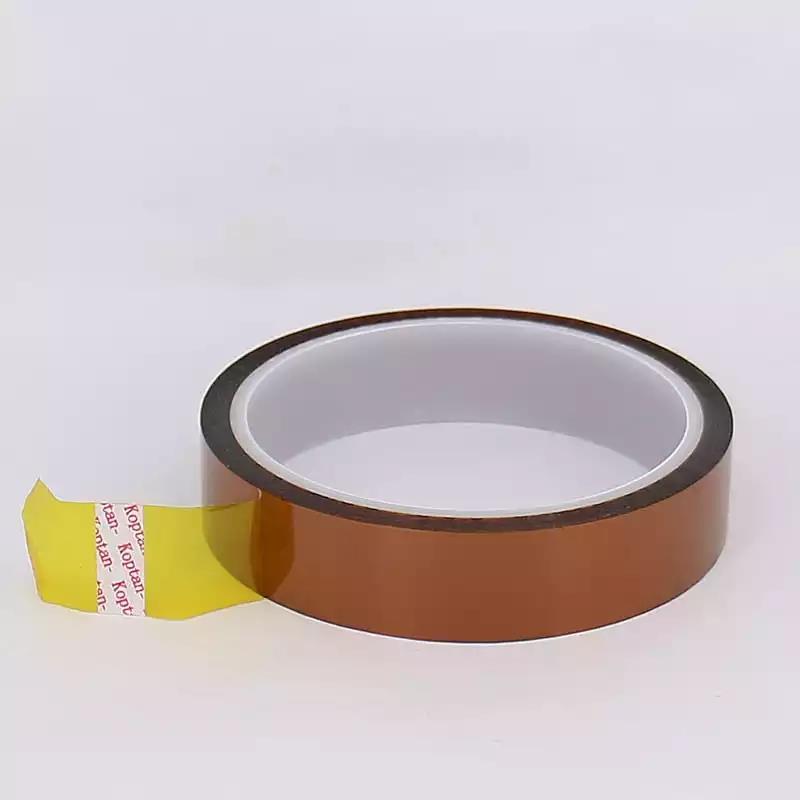
KAPTON high-temperature tape, that is, adhesive tape used in high-temperature working environment. Mainly used in the electronic industry, the temperature resistance is usually between 120 degr..
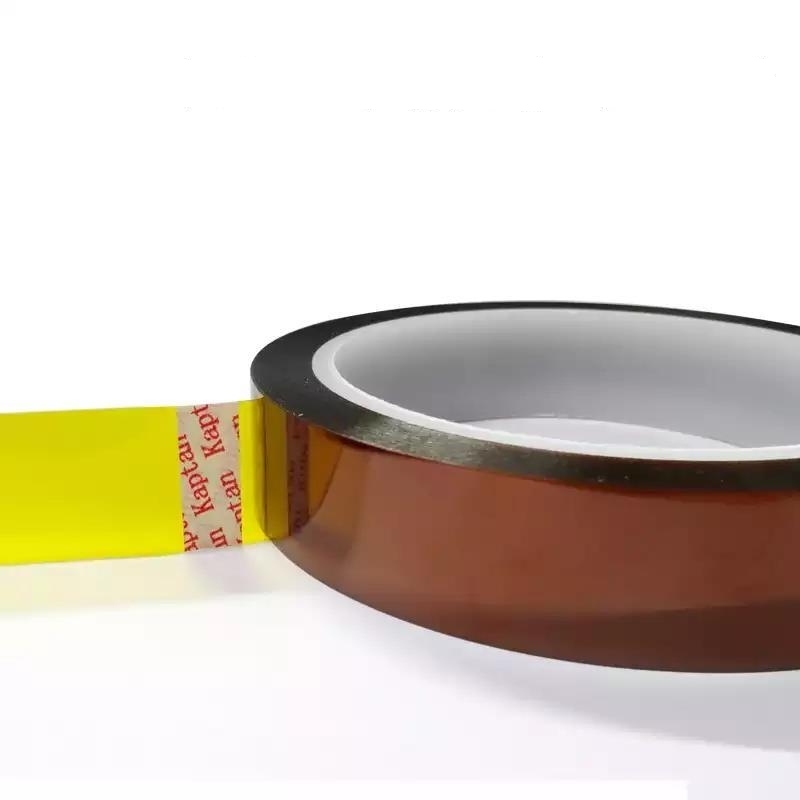
It can be used for high-demand H-class motor and transformer coil insulation wrapping, high-temperature resistant coil end wrapping and fixing, temperature measurement thermal resistance protec..
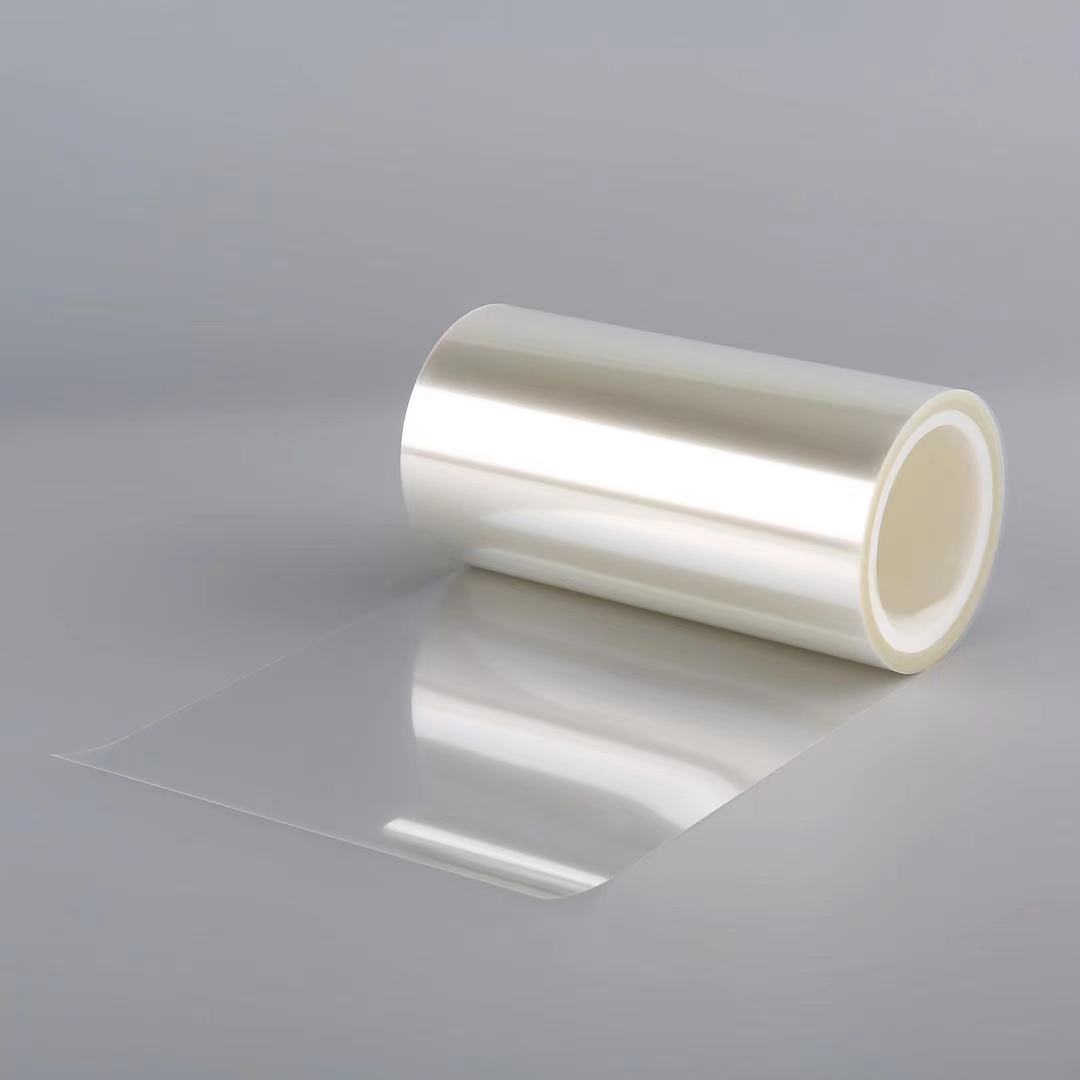
Hot-pressed composite film material is a composite material made of multi-layer films bonded by hot-pressing process. This material has excellent barrier performance, which can effectively bloc..

High temperature resistant tape manufacturer specializes in producing shockproof, cushioning, insulation, conductive, adhesive, sound insulation and other materials die-cut punching type (PORON..

3M tape is widely used in computers, mobile phones, communications, household appliances, audio-visual equipment, automobiles and other products. It can be selected according to the application..

The green tape PET material is a relatively common film on the market at present. In fact, the plastic Coke bottles we usually see are made of PET material, also known as Baote bottles. The che..
High temperature tape: basic knowledge, common types and differences
High temperature tape usually refers to adhesive materials that can maintain good adhesion under certain high temperature environments, mainly including single-sided tape and double-sided tape. These tapes have a wide range of applications in the manufacturing of industrial electronic products, and their high temperature resistance is mainly manifested in their ability to maintain stability under temperature conditions between 120 degrees and 260 degrees. The temperature resistance of high-temperature adhesive tape mainly depends on the properties of its substrate and adhesive. Several common high-temperature adhesive tapes on the market currently include PET polyester film substrate coated acrylic adhesive, PET polyester film coated high-temperature silicone adhesive, PI polyimide film coated acrylic adhesive, PI polyimide film coated high-temperature silicone adhesive, and PTFE tape. These high-temperature tapes have different temperature resistance properties,PET polyester film substrate coated with acrylic adhesive, available in transparent, brown (gold finger), green, black, and other colors. This material generally has a long-term temperature resistance of between 130-150 degrees and a short-term temperature resistance of up to 180 degrees (within half an hour).PET based polyester film coated with high-temperature silicone, available in transparent, brown (gold finger), green (commonly known as green silicone), black, and other colors. This material can withstand temperatures between 150-180 degrees Celsius for a long time and up to 220 degrees Celsius for a short period of time (within half an hour).PI substrate polyimide film coated with acrylic adhesive, with colors including brown (real gold finger), black, white, and so on. This material can withstand temperatures between 180-230 degrees Celsius for a long time and up to 280 degrees Celsius for a short period of time (within half an hour).PI substrate polyimide film coated with high-temperature silicone, with colors including brown (true golden finger), black, and so on. This material can withstand temperatures between 220-260 degrees Celsius for a long time and up to 300 degrees Celsius for a short period of time (within half an hour).Teflon tape (also called Teflon tape) is a kind of high temperature resistant tape, which is made of glass fiber as the base cloth, coated with Teflon lotion, dried, and then coated with silica gel twice. This material can withstand temperatures of 260-300 degrees Celsius for a long time and up to 350 degrees Celsius for a short period of time (within half an hour). Among these high-temperature tapes, the one coated with PI polyimide film and high-temperature silicone is considered to have the best comprehensive performance. Whether in terms of temperature resistance, dielectric performance, processability, or chemical resistance, PI silicone high-temperature tape is the most excellent one.Understand one article! Detailed explanation of polyimide high-temperature tape
High temperature tape is a type of adhesive tape mainly used in the electronics industry for use in high-temperature working environments. High temperature tape includes KAPTON high-temperature tape, PTFE high-temperature tape, high-temperature textured paper tape, PET green high-temperature tape; High temperature double-sided tape, etc. Today, the editor will focus on introducing KAPTON high-temperature tape, also known as polyimide tape. Polyimide tape Also known as KAPTON tape, gold finger tape, PI tape, it is made by coating a polyimide film substrate with high-temperature resistant adhesive. There are two types of materials: single-sided fluoroplastic release material composite or non composite. Material characteristics Polyimide tape has excellent insulation, durability, acid and alkali resistance, and temperature resistance. It can usually be used between 120 degrees and 260 degrees, and 180 degrees can be used for a long time. Excellent high-temperature electrical performance, high insulation, high temperature resistance, low temperature resistance, acid and alkali resistance, low electrolysis, good mechanical properties, wear resistance, tear resistance, special adhesive treatment, strong adhesion, leaving no residue on the covered surface after tearing. The product specification is 33M long, and the color of the tape is usually brown or golden yellow. The commonly used widths are 10mm, 15mm, 20mm, 25mm, etc. (can be customized). High precision coating up to ± 2.5um, no scratches, wire drawing or other phenomena, good shear performance, easy to punch die cutting processing. Material parameters: Substrate thickness: 0.0125mm-0.125mm Adhesive thickness: 0.025mm-0.065mm Adhesive composition: Silicone/Acrylic Adhesive strength: 450-720g/25mm Temperature resistance -10 ℃ -300 ℃ Tensile strength 14-18kg/mm Elongation rate 55% -85% Corrosion resistance: 1.0H Electrical strength: 6000V~7200V Application area Coatings: Used as insulation paint for electromagnetic wires or as high-temperature resistant coatings. Advanced composite materials: used for aerospace, aircraft, and rocket components. It is one of the most heat-resistant structural materials. Fiber: Its elastic modulus is second only to carbon fiber, and it is used as a filtering material for high-temperature media and radioactive substances, as well as bulletproof and fireproof fabrics. Foam plastic: used as high temperature resistant and heat insulating material. Engineering plastics: There are thermosetting and thermoplastic types, and thermoplastic types can be molded by compression molding, injection molding, or transfer molding. Mainly used for self-lubricating, sealing, insulation, and structural materials. Separation membrane: used for the separation of various gases, such as hydrogen/nitrogen, nitrogen/oxygen, carbon dioxide/nitrogen, or methane, to remove moisture from air hydrocarbon feed gases and alcohols. It can also be used as a pervaporation membrane and ultrafiltration membrane. Photoresist: Some polyimides can also be used as photoresists. There are negative and positive adhesives, and the resolution can reach sub micron level. When combined with pigments or dyes, it can be used for color filter films, greatly simplifying the processing steps. Application in microelectronic devices: used as a dielectric layer for interlayer insulation, and as a buffer layer to reduce stress and improve yield. As a protective layer, it can reduce the impact of the environment on the device and also act as a shield for alpha particles, reducing or eliminating soft errors in the device. Polyimide, an alignment agent used in liquid crystal displays, plays a very important role in the materials of TN-LCD, SHN-LCD, TFT-LCD, and future ferroelectric liquid crystal displays.Electro optical materials: used as passive or active waveguide materials, optical switch materials, etc. Fluorinated polyimides are transparent in the communication wavelength range, and using polyimide as a chromophore matrix can improve the stability of the material. Moisture sensitive materials: The principle of linear expansion due to moisture absorption can be used to make humidity sensors. Storage method 1. Tape should be stored in the warehouse to avoid direct sunlight and rain; Do not come into contact with acidic, alkaline, oil or organic solvents, keep clean and dry, and keep a distance of 1 meter from the discovery device. The room temperature should be between -15 ℃ and 40 ℃. 2. The tape should be placed in rolls without folding. If stored for too long, it should be flipped once every season. 3. It is best to use a crane when loading and unloading the conveyor belt, and use rigging with crossbeams to lift it steadily to avoid damaging the edge of the belt. Do not load or unload recklessly, which may cause loose rolls and loose sleeves. 4. The type and specifications of the tape should be selected reasonably according to the usage needs and specific conditions. 5. Do not connect tapes of different varieties, specifications, strength, and fabric layers together for use. 6. It is best to use hot vulcanized rubber joints for conveyor belt joints to improve reliability and maintain high effective strength. 7. The diameter of the conveyor roller and the minimum pulley diameter of the conveyor belt should comply with relevant regulations. 8. Do not make the tape snake or crawl. Keep the rollers flexible and the tension moderate. 9. When the conveyor is equipped with baffles and cleaning devices, wear and tear on the tape should be avoided. 10. Cleanliness is a basic condition for the good operation of adhesive tape. Foreign substances can affect tape eccentricity, tension differences, and even breakage. 11. When early damage to the tape is found during use, the cause should be promptly identified and repaired to avoid adverse consequences.Quality requirementThe quality of polyimide tape is very important. Have you ever learned about the quality requirements of polyimide tape? Let me take a look.1、The adhesion of polyimide tape should be long-lasting and should not dry out after a period of time;2. When tearing off the polyimide high-temperature tape, it should be able to be completely removed;3. When removed after completion, the polyimide tape should not have any residue or images;4. After long-term bonding of polyimide tape, there should be no bubbles floating or curled edges;5. Polyimide tape must have weather resistance when used outdoors; 6. Polyimide tape must not have crystal dots.The way to distinguishAt present, there are many manufacturers of polyimide tape on the market, and the product quality is also uneven. Is there any way to identify the authenticity of polyimide tape? Now, the editor will bring you a method to identify authenticity.1、Looking at the appearance, generally speaking, low-quality high-temperature tape has a slightly dull color, while high-quality gold finger high-temperature tape has a relatively good surface gloss.2. Look at the residue after ignition, bake with a lighter for 1 to 2 seconds, and then touch with your hand. The high-temperature tape of the golden finger really won’t stick to your hands.3. In actual high-temperature testing, after passing through a high temperature of 260 ° C, check for residual glue, shrinkage, and other phenomena, because the temperature resistance of real gold finger high-temperature tape is usually between 120 ° C and 260 ° C.PTFE/FEP/F46 Adhesive Polyimide Tape Film
he film preparation method is as follows: polyamide acid solution flow forming film, stretching, high temperature imide.Thin film is yellow transparent, relative density 1.39 ~ 1.45, has outstanding high temperature resistance, radiation resistance, chemical corrosion resistance and electrical insulation properties, can be used in 250 ~ 280ºC air for a long time.The vitrification temperatures are 280ºC(Upilex R), 385ºC(Kapton) and above 500ºC (Upilex S), respectively.The tensile strength is 200MPa at 20ºC and greater than 100MPa at 200ºC.It is especially suitable for flexible printed circuit board base material and insulation material of various high temperature resistant electric motor.Polyamide Sheet Polyimide Film Heater Polyimide Film Suppliers
Polymide film is a kind of special plastic film, flat and smooth, no crease, no particular air bubble and no pinhole, with excellent mechanical properties, dielectric properties, long-term working temperature-195 degree to 280 degree, widely used in sophisticated products in appliance, statellite navigation, digital product, electric motors, computer, mobile phone and so on, such as the base dielectrics in flexible printed circuits (FPC), tape automated bonding (TAB), pressure sensitive tape (PST), and insulation for electric motor(Insulation). It has excellent electrical insulation properties, mechanical properties, excellent temperature resistance, resistance to Radiation, chemical stability and flame retardancy and etc. it is widely used for wire insulation wrapping and coil insulation binding of largeindustrial motors, traction motors, and generators.The characteristics and applications of the brown high-temperature tape commonly seen on production lines
Polyimide film (PI) tape is a high-performance high-temperature tape made from polyimide film as the tape material. Its main uses are heat-resistant shielding and heat-resistant insulation for electronic boards.Due to the high thermal decomposition temperature of polyimide, it has excellent heat resistance and insulation performance. Many polyimide tape products use silicone adhesives, which have the advantage of leaving no residue even after being removed. Polyimide (PI) film tape not only features high-temperature resistance, chemical corrosion resistance, good insulation, and super strong adhesion, but also possesses other excellent properties such as radiation resistance, flame retardancy, wear resistance, and anti-corrosion. Polyimide (PI) tape can be classified into two types based on the adhesive used: PI silicone tape and PI acrylic tape. In terms of appearance, it is generally available in two colors: brown and black. Product Features:High temperature resistance: Polyimide film tape has good high temperature resistance and can withstand temperatures up to 400 ℃.Chemical corrosion resistance: Polyimide film tape is not easily corroded by chemical substances and has strong corrosion resistance.Good insulation: Polyimide film tape has excellent insulation performance and can effectively protect electrical equipment.Super strong adhesion: Polyimide film tape has strong adhesion and can firmly fix objects without deformation or damage at high temperatures.Anti corrosion: Polyimide film tape has excellent anti-corrosion performance, which can prevent rusting of metal materials such as steel.Product application:PI silicone tape is mainly used for applications that require high temperature resistance or high initial adhesion, such as insulation wrapping of H-grade motor and transformer coils, fixing and wrapping of high temperature resistant coil ends, thermal resistance protection for thermometers, insulation for capacitors and wire entanglement and other bonding under high temperature working conditions, temperature protection for PCB sheet metal fingers and electronic components during SMT, external wrapping of polymer lithium batteries, etc.PI acrylic tape is commonly used for insulation protection of PCB boards, fixing and wrapping of wire harnesses, interlayer and outer wrapping of transformer coils, external insulation of lithium batteries, etc.Characteristics of PolyimidePolyimide is a general term for polymer compounds polymerized by imide bonds, but the material used for polyimide tape is aromatic polyimide, which is made of aromatic compounds polymerized by imide bonds.Due to its strong adhesive strength, it has high strength, heat resistance, and insulation properties. The thermal decomposition temperature exceeds 500 ℃.The specific characteristics of the molecular structure that endow it with excellent heat resistance are as follows:Aromatic compounds have conjugated structures through imide bonds.Due to the aromatic rings being located on the same plane, the molecular chains are tightly packed together.Highly polar imide bonds have strong intermolecular forces.In addition, the coefficient of expansion during heating is relatively low, so even when used at high temperatures, it will not expand too much, thereby reducing dimensional errors.Definition of Polyimide Industry
The polyimide (PI) industry is an industrial chain system centered around polyimide materials, covering their research and development, production, processing, and application. Polyimide is a high-performance polymer material known as the “golden polymer material” due to its extreme high temperature resistance, chemical stability, mechanical strength, and electrical insulation properties. It is widely used in high-precision fields such as electronics, aerospace, and new energy. Core elements of industry definition*** * Material characteristics**-Molecular structure: The main chain contains repeated imide rings (- CO-NR-CO -), which endow it with high thermal stability and rigidity.-* * Performance label * *: High temperature resistance (long-term use temperature>250 ℃), radiation resistance, corrosion resistance, low dielectric constant (suitable for high-frequency scenarios), high mechanical strength.* * Composition of the industrial chain**-Upstream: Raw material suppliers (such as diamines, dianhydride monomers, such as ODA, PMDA, etc.).-* * Middle stream * : manufacturing of polyimide resin, film, fiber, foam and other forms. – * Downstream * *: Terminal applications in electronics, aerospace, automotive, new energy, military industry, etc.* * Product Form**-* * Thin film * * (such as flexible circuit substrate, insulation tape);-Resin (high-temperature resistant coating, adhesive);-* * Fiber * * (fireproof clothing, high-temperature filter material);-* * foam * * (spacecraft thermal insulation material). Industry Development Status**High technical barriers**-The synthesis process is complex (requiring high-temperature condensation and imidization), and the purity requirements for raw materials are extremely high (such as monomer ODA, PMDA).-High end products such as transparent polyimide and ultra-thin films are monopolized by American and Japanese companies such as DuPont, Ube Industries, and Zhongyuan Chemical.* * Market demand driven**-* * Electronic field * : 5G communication, flexible display (foldable screen phones), chip packaging (PI photoresist). – * New energy * *: lithium battery separator, fuel cell proton exchange membrane.-Aerospace: Lightweight high-temperature components (engine hood, satellite thermal control film). Industry Development Trends*** * Domestic substitution acceleration**-Policy support (Guidelines for the Development of New Materials Industry) promotes the research and development of high-end PI materials and reduces dependence on imports.* * Expansion of Emerging Applications**-* * Flexible Electronics * *: Foldable devices, flexible sensors;-New energy vehicles: motor insulation system, battery thermal management;-Semiconductor: Advanced packaging with PI photoresist.* * Greening and low-cost**-Develop bio based monomers (to reduce petroleum dependence) and optimize synthesis processes (low-temperature solution method). Industry Challenges** -Raw material monopoly: Key monomers (such as PMDA) are controlled by Japanese companies such as Ube and Mitsubishi; -* * Equipment limitations * *: High end film production relies on imported equipment (such as biaxial stretching machines); -Environmental pressure: Traditional processes using toxic solvents (such as DMAC) require a transition to green processes. * * Summary** The polyimide industry is a typical high-tech barrier and high value-added new material field, and its development level directly reflects a country’s competitiveness in high-end manufacturing and cutting-edge technology fields. In the future, industry growth will rely on * * technological breakthroughs * * (monomer synthesis, process optimization), * * industry chain collaboration * * (upstream and downstream support), and * * application scenario innovation * * (such as deep space exploration, artificial intelligence hardware).RUILI TAPE
XuZhou Ruili new material Co.,Ltd.was established in China Xuzhou Zone in 2024.We are able to provide services of R&D,OEM,ODM and procession services forour customers. We produce a wide variety of adhesive tapes, including Polyimide tape, Copper foil tape, PET High-Temperature Tape, Double-sided tape, and more. Our factory is equipped with five advanced coating production lines, imported separators, rewinders, cutoff machines, and comprehensive testing equipment. The workshop is clean and orderly, with the coating and cutting processes carried out in a dust-free environment. The manufacturing process strictly adheres to a quality control system. All our products comply with RoHS standards and have been approved by ***, Reach, and UL. Our tape product have been widely recognized and trusted by users.We warmly welcome all of your inquiriesApplication of High Temperature Belt in Electronic Field
High temperature resistant tape manufacturer specializes in producing shockproof, cushioning, insulation, conductive, adhesive, sound insulation and other materials die-cut punching type (PORON foam, EPDM foam, CR foam, EVA foam, fast bar paper, green shell paper, mica sheet, KAPTON, PC, PET Myra sheet, dust-proof mesh, silica gel, rubber, conductive cloth, conductive foam, conductive sponge, copper foil, aluminum foil, 3M double-sided adhesive, SONY double-sided adhesive, TESA double-sided adhesive; High temperature resistant tape manufacturer. Die-cutting and punching processing and sales of KAPTON gold tape, Mala tape, acetate cloth tape, conductive cloth tape, double-sided tape and other industrial tape comprehensive service company; The customer base covers electronics, electrical appliances, audio, digital, communications, plastics, hardware, toys, craft gifts, packaging and many other industries and fields.Classification of Polyimide Film (PI Film)
Polyimide films (PI films) can be classified into the following categories based on their chemical structure, preparation process, performance characteristics, and application fields: Classified by chemical structure Isobenzene type PI film Using phthalic anhydride (PMDA) and aromatic diamines (such as ODA) as monomers, it has excellent high temperature resistance (such as DuPont Kapton) ®)。 Biphenyl type PI film Using phthalic anhydride (BPDA) as a monomer (such as Upilex produced by Ube Industries) ®), Has higher mechanical strength and dimensional stability. Fluorinated PI film Introducing fluorinated groups (such as 6FDA monomers) to improve dielectric properties and solubility, suitable for high-frequency electronic devices. Alicyclic PI film Using cycloaliphatic dianhydride or diamine to improve transparency and UV resistance, but slightly lower temperature resistance. Classified by preparation process Casting method PI film The process of casting polyamide acid (PAA) solution into a film and imidization is simple and suitable for thick film preparation. Stretching method PI film Improving mechanical properties and dimensional stability through biaxial stretching, commonly used in electronic substrates. Gas deposition method for PI thin film Preparation of ultra-thin or high-performance thin films by chemical vapor deposition (CVD) for special fields. Classify by functional characteristics. High temperature resistant PI film Long term use temperature above 250 ℃, such as Kapton used in aerospace ®。 High thermal conductivity PI film Add fillers such as boron nitride for heat dissipation scenarios (such as flexible circuit heat dissipation layers). Low dielectric PI film By introducing porous structures or fluorine atoms, the dielectric constant can be reduced (applicable to 5G high-frequency materials). Transparent PI film Reduce conjugated structures and improve optical transparency (such as flexible display substrates). Conductive PI film Incorporating carbon nanotubes or metal particles for electromagnetic shielding or electrode materials. Classified by application field Electronic grade PI film Used for flexible printed circuits (FPC), copper-clad laminates (FCCL), chip packaging, etc. Aerospace grade PI film Resistant to extreme temperatures, used for satellite insulation layers and spacecraft thermal control materials. New energy grade PI film As a separator for lithium-ion batteries or a backsheet for solar cells. Medical grade PI film Good biocompatibility, used for coating medical catheters or implantable devices. Special type PI aerogel film Ultra lightweight porous structure, used for insulation or absorbing materials. PI nanocomposite film Adding nanoparticles (such as SiO ₂, graphene) to enhance specific properties. Summarize The classification dimensions of PI films are diverse, and in practical applications, they are often selected based on comprehensive needs. For example, in the electronics field, there is a preference for biphenyl type PI with high dimensional stability (such as Upilex) ®), And in the aerospace field, homobenzene PI (such as Kapton) is commonly used ®)。 The research and development of new PI films is moving towards functionalization (such as degradable PI) and compounding.High temperature adhesive tape
High temperature tape refers to adhesive tape used in high-temperature working environments. Mainly used in the electronics industry, the temperature resistance performance is usually between 120 degrees and 260 degrees. basic content High temperature adhesive tape High temperature tape refers to adhesive tape used in high-temperature working environments. Mainly used for electronic industry applications, the temperature resistance performance is usually between 120 ° C and 260 ° C, Teflon high-temperature tape Commonly used for painting, baking leather processing, coating masking, fixing in electronic component manufacturing processes, printing circuit boards, and high-temperature treatment masking. High temperature tape includes KAPTON high-temperature tape; Teflon high-temperature adhesive tape; High temperature textured paper tape; PET green high-temperature tape; High temperature double-sided tape, etc. Teflon high-temperature adhesive tape has the following characteristics:Non sticky;High and low temperature resistance, the product can withstand temperatures up to 260 ℃ for long-term use;Corrosion resistance;Low friction and wear resistance;High moisture resistance and insulation; At present, the conventional product thickness is 0.13mm, 0.18mm0.25mm, and there are three colors: brown and black. Teflon high-temperature tape is mainly used for:Insulation coating for wire and cable industry;Insulation lining for electric oxygen industry;The surface coating of the storage tank roller and the lining of the guide rail friction surface can be directly attached to various large surfaces and regular curved surfaces (such as rollers), with simple operation, eliminating the need for professional equipment, special processes, and transportation to professional spraying factories for spraying PTFE materials;Used as insulation high-temperature material in textile, food, pharmaceutical, wood processing and other sectors;Color printing packaging machines, plastic weaving and drawing machines, microwave drying, various conveyor belts, and bag making machines for clothing hot stamping, adhesive sealing, and packaging industries, as well as hot pressing sealing end faces for sealing machines. Storage, transportation, and maintenance of high-temperature adhesive tape (1) Tape should be stored in the warehouse to avoid direct sunlight and rain; Do not come into contact with acidic, alkaline, oil or organic solvents, keep clean and dry, and keep a distance of 1 meter from the discovery device. The room temperature should be between -15 ℃ and 40 ℃. (2) The tape should be placed in rolls without folding. If stored for too long, it should be flipped once every season. (3) It is best to use a crane when loading and unloading the conveyor belt, and use rigging with crossbeams to lift it steadily to avoid damaging the edge of the belt. Do not load or unload recklessly, which may cause loose rolls and loose sleeves. (4) The type and specifications of the tape should be selected reasonably according to the usage needs and specific conditions. (5) It is not allowed to connect (assemble) tapes of different varieties, specifications, strength, and fabric layers together. (6) It is best to use hot vulcanized rubber joints for conveyor belt joints to improve reliability and maintain high effective strength. (7) The diameter of the conveyor roller and the minimum pulley diameter of the conveyor belt should comply with relevant regulations. (8) Do not make the tape snake or crawl. Keep the rollers flexible and the tension moderate. (9) When the conveyor is equipped with baffles and cleaning devices, wear and tear on the tape should be avoided. (10) Cleanliness is a basic condition for the good operation of adhesive tape. Foreign substances can affect tape eccentricity, tension differences, and even breakage. (11) When early damage to the tape is found during use, the cause should be promptly identified and repaired to avoid adverse consequences.Glass thinning and etching protection UV anti-adhesive PO protective film
In glass thinning and etching processes, a special protective film is required to protect non processed areas. UV reducing film (also known as UV film) is designed for this purpose, and PO (polyolefin) is one of the high-performance substrates.It is like an "intelligent shield" that firmly adheres to provide protection during processing. After processing, it can be easily and completely peeled off by UV light irradiation without leaving any residue.⚙️ Core feature: How does it work?The excellent performance of UV reducing film in glass etching process is attributed to its unique design:UV debonding and non-destructive peeling: this is its core function. Before exposure to ultraviolet (UV) light, the tape has high adhesion (such as initial adhesion of PO material up to 1300 gf/25mm), which can firmly adhere to the glass surface and prevent etching solution from penetrating. After completing the protection task, the adhesion will instantly decrease significantly through UV light irradiation, reaching a nearly non stick state (such as PO material dropping to 25 gf/25mm after debonding), making it easy and non-destructive to peel off, effectively avoiding the risk of glass substrate cracking due to uneven tearing force.Excellent acid and alkali corrosion resistance: Highly corrosive solutions such as hydrofluoric acid (HF) and hydrochloric acid (HCL) are often used in etching processes. This type of protective film can effectively resist the erosion of these chemicals, preventing them from warping, peeling, or seeping during complex acid washing processes.No residual glue, high cleanliness: Excellent UV debonding process and colloidal formula ensure that after the film material is peeled off, the glass surface can maintain its original cleanliness without adhesive residue. This is the key to ensuring the quality of subsequent processes and product yield, and it is also an important reason why PO protective films are highly favored in high-end applications.🛡️ PO substrate vs. PET substrate: how to choose?The performance of UV thinning film is closely related to the substrate (i.e. the main material of the film), and the common ones are PO and PET (polyester film), which have significant performance emphasis in glass thinning etching process. You can choose according to your specific application scenario:Characteristics PO (Polyolefin) PET (Polyester)Base material characteristics: The material is soft, with excellent ductility and cushioning properties. The material is relatively hard, with good stiffness, better temperature resistance, and dimensional stabilityThe key process is manifested in glass thinning/etching, which can provide excellent adhesion and buffering protection; Excellent acid resistance performance, some products can be sprayed under mixed acid for more than 200 minutes without acid leakage or detachment. They perform well in cutting, grinding and other processes that require high fixation force, with good processing performance and easy punching and cuttingThe application scenarios are mainly recommended for complex chemical etching, glass thinning, and strengthening processes. Its excellent acid resistance and flexibility make it the preferred choice for single-sided thinning of mobile phone glass covers, OLED/TFT panels, and other fields, mainly used for high-strength cutting, grinding, and other processes. It is also suitable for glass thinning protection, but in terms of acid resistance, conventional PET film may not be as good as PO filmViscosity change (gf/25mm) approximately 1300-1600 before UV irradiationAbout 25-30 after UV irradiation and about 1100-2200 before UV irradiationAbout 6-7 after UV irradiationReference temperature resistance: Long term temperature resistance of about 80 ℃Short term temperature resistance can reach 90-120 ℃, and long-term temperature resistance is about 80 ℃Short term temperature resistance of about 120 ℃Adhesive force (gf/25mm) refers to the adhesive force on a width of 25mm, with higher values indicating stronger initial adhesion.🔍 Application process: from attachment to peelingUnderstanding how it operates in actual production helps to better understand its value:Attachment: Before etching, apply the UV reducing film evenly to the glass surface that needs to be protected (such as the display area), and ensure that the two are tightly adhered without bubbles.Etching: Chemical etching is performed, during which the protective film, with its high viscosity and acid resistance, effectively blocks the etching solution from corroding non target areas.UV irradiation: After etching is completed, use UV curing equipment to irradiate the protective film. The photoinitiator in the adhesive layer reacts rapidly under UV light irradiation, causing cross-linking or changes in the molecular structure of the adhesive layer, resulting in a significant decrease in viscosity.Peel off: After UV irradiation, the protective film with extremely low viscosity can be easily and completely peeled off from the glass surface without leaving any residue, completing the protective missionPlasma thermal spraying masking tape
Plasma thermal spraying (including plasma spraying, supersonic flame spraying HVOF, flame spraying, etc.) is a high-temperature and high-speed process that requires much stricter requirements for masking tape than ordinary PCB furnace protection. The core feature of this type of tape is that it is made of glass fiber cloth as the substrate, coated with high-temperature resistant silicone adhesive, and some high-end products also have a composite aluminum foil layer to enhance heat radiation resistance.The following are mainstream tape solutions for this special process:🔥 Comparison of core products of plasma thermal spraying masking tapeTape type/model Core structure and characteristics Temperature resistance Main application scenarios Typical appearanceSilicone rubber/fiberglass cloth composite tape (universal type) is based on high-strength fiberglass cloth coated with high-temperature resistant silicone. It has excellent temperature resistance, tear resistance, and flexibility, and can tightly adhere to complex surfaces without residue when torn off. Long term 260 ℃, can withstand higher spraying temperatures in the short term, and does not burn at 800 ℃. Universal shielding protection for plasma spraying, flame spraying, and supersonic spraying (HVOF); Sandblasting protection. White, cream, red, green, etc.Aluminum foil/fiberglass cloth composite tape (high-performance type) is laminated with a layer of aluminum foil on the fiberglass cloth substrate. The aluminum foil layer can strongly reflect thermal radiation, providing additional insulation and wear-resistant protection, suitable for extreme working conditions. Aluminum foil also has excellent high temperature resistance, enhancing its resistance to thermal radiation. HVOF (supersonic flame spraying) and other extremely high heat load spraying processes; Areas that require stronger wear resistance and thermal insulation protection. Silver (aluminum foil color)Professional brand series products are high-performance product lines launched by various brands for strict craftsmanship. Similar to the universal type, but with more specialized optimizations in terms of adhesion, flexibility, and clean peeling. Precision shielding requirements in fields such as aerospace and high-end manufacturing. HVMT Orange, 170-10S Red, 170-10S Green, etc.💡 Key points of selectionCheck the process temperature and impact strength:For conventional plasma and flame spraying, standard silicone rubber/fiberglass cloth tape is sufficient.For HVOF processes with stronger impact and higher temperature, it is recommended to use aluminum foil composite tape or professional grade HVMT Orange series tape.See fit requirements:If the surface of the workpiece to be covered has complex *metric shapes, a thin adhesive tape with good softness and adhesion (such as Rogers DeWAL) should be selected ® Plasma X), To ensure a tight fit and prevent "corner warping".Confirmation of core characteristics:High temperature resistance: Confirm whether the nominal temperature range of the tape can cover your process temperature.Anti sandblasting/wear-resistant: The tape must be able to resist the physical impact of high-speed particles.No residual adhesive: This is the basic requirement for all high-temperature masking tapes, which must be able to be cleanly peeled off after spraying without leaving any adhesive residue.📝 Usage and procurement suggestionsSelection reference: Models in the above table (such as 170-10S, DeWAL) ® Plasma X, etc. are mainstream choices in the industry, and you can directly use them as keywords for selection or inquiry.Suppliers and Brands:International brands: Rogers, Green Belting.Domestic brands and products: PUJIE, PANCLEAN, and many professional tape manufacturers (such as Kunshan Wanxing) offer such products.Parameter customization: Most suppliers support width customization (commonly 5mm to 460mm), and you can choose the appropriate width of tape according to the shape of your shielding area to reduce wastePCB circuit board high-temperature resistant fixed edge protection tape
There are several mature tape solutions in the industry for the high temperature resistant fixed edge protection requirements of PCB circuit boards. The choice mainly depends on your specific process temperature, whether you need anti-static, and the fixing method.Here is a comparison of several mainstream adhesive tapes that can help you quickly locate them:📊 Comparison of mainstream PCB high-temperature resistant fixed edge protection tapeTape type, core characteristics, temperature resistance, main application scenarios, common appearancePolyimide tape (Kapton/Golden Finger tape) has the strongest comprehensive performance, the highest temperature resistance, excellent insulation, chemical corrosion resistance, and no residue when peeled off. Long term temperature can reach 260 ℃, and short-term temperature can reach 300-360 ℃. Gold finger masking during SMT reflow soldering and wave soldering; High demand coil/transformer insulation fixation. Amber (Golden)PET (polyester) green tape has high cost-effectiveness, the widest application, good temperature resistance, and is also resistant to acid and alkali without residue. The substrate is slightly hard, making it easy for automated bonding. 180-200 ℃, can withstand for about 30 minutes. PCB board is protected by soldering furnace; Edge masking for high-temperature spraying and baking paint; Ordinary fixed. Mainly grass green and light greenRed textured composite tape is thick and has high strength. The substrate is textured paper composite PET film, which is tear resistant and has strong adhesion. It is suitable for fixing uneven surfaces or rough surfaces. About 180-200 ℃. Protect the golden fingers when passing through the tin furnace; Fixing and bundling of heavier or large-sized circuit boards. redHigh temperature resistant double-sided tape for double-sided fixation, with a variety of substrates (PET/Kapton, etc.), suitable for scenarios that require complete adhesion or fixation. Depending on the substrate, the highest temperature can reach 260 ℃. FPC (flexible board) is fixed to the fixture during reflow soldering; High temperature bonding of electronic components. Transparent, amber, etc💡 Selection RecommendationCheck temperature: If the process temperature exceeds 200 ℃ (such as lead-free reflow soldering), polyimide tape is preferred.Usage: If protecting gold fingers, priority should be given to using polyimide tape with a smooth surface and high temperature resistance; If covering or fixing a large area, cost-effective PET green tape is more suitable.Special requirements: For fixing flexible circuit boards (FPC), double-sided tape is required; For electrostatic sensitive components, attention can be paid to anti-static polyimide tape.📝 Usage and Storage TipsSurface cleaning: Before pasting, it is necessary to ensure that the PCB surface is clean, dry, free of oil stains or dust, otherwise it will affect the adhesion.Storage environment: Please place in a cool and dry place with a temperature range of 5-25 ℃ and a relative humidity below 65% to avoid high temperature and humidity that may cause the tape to deteriorateElectrical insulating tape
Electrical insulation tape is the most fundamental and critical material in the field of electrical engineering. Its core function is to isolate current, prevent short circuits and leakage, and provide certain mechanical protection. It may seem simple, but tapes made of different materials and structures have significant differences in temperature resistance, pressure resistance, and flexibility. Choosing the wrong tape may leave safety hazards.📋 Types and Comparison of Mainstream Electrical Insulation TapeAccording to the different substrates, electrical insulation tape can be divided into the following categories, and you can quickly screen according to your own needs:Substrate type represents product examples, core characteristics and temperature resistance levels, typical application scenarios, key performance parametersSoft PVC tape Desha 53988, 3M Super 33+universal type, most commonly used. Good elasticity, comfortable hand feel, flame retardant, available in multiple colors for easy identification. The temperature resistance level is usually 80-105 ℃. Insulation wrapping, joint treatment, phase identification, and daily maintenance of wires and cables. Breakdown voltage:~7kVTensile strength:~25 N/cmPolyester film tape Intertape 51588, SynTape ® PM.099 is thin and strong. Thin thickness but high dielectric strength, tear resistance, and solvent resistance. The temperature resistance level is usually 130 ℃ (Class B). The interlayer insulation of transformer and motor coils requires precision windings with small space occupation, as well as scenarios that require immersion resistant paint. Breakdown voltage: 5 kVTensile strength: 40-44 N/cmPolyimide tape (Golden Finger tape) Su Rui Electric's high-temperature resistant tape is the king of high-temperature resistance. Ultra thin, resistant to high and low temperatures, and resistant to acid and alkali solvents. The temperature resistance level can reach up to 180 ℃ (H level) or even 260 ℃. Insulation protection in high temperature environments, such as lithium battery lug fixation, SMT welding shielding, and high temperature coil wrapping. Long term temperature resistance: 260 ℃Excellent chemical resistance🔍 Interpretation of Key Performance IndicatorsWhen selecting, one should not only look at the name, but also pay attention to these core parameters that determine quality:Voltage endurance/breakdown voltage: This is the most critical insulation indicator. High quality PVC tape can usually reach 6-7 kV or above. For high-voltage scenarios, it is essential to choose products that have undergone withstand voltage testing.Temperature resistance level: directly determines the service life of the tape. Use letters to indicate the maximum temperature for continuous operation: Class A (105 ℃), Class B (130 ℃), Class F (155 ℃), Class H (180 ℃). Motors and transformers must have at least Class B or higher internal components.Adhesive type:Rubber: It has strong initial adhesion and easy bonding, but is sensitive to oil and chemical solvents. Suitable for regular bandaging.Acrylic acid: high temperature resistance, aging resistance, and good chemical resistance, making it the preferred choice for oil resistant tapes for equipment such as anic silicon: has the highest temperature resistance level (above H level), and there is no residual adhesive when peeled off. Suitable for extremely high temperatures or situations that require clean chanical strength: including tensile strength and elongation. In scenarios where bundling and fixation are required (such as the end of a motor coil), the adhesive tape needs to have sufficient tensile strength (e.g.>30 N/cm) and ductility to ensure that the long-term bundling does not loosen.💡 Combining your previous needs (transformer scenario)Based on your previous question about "transformer oil resistant tape", the selection process will be clearer:If it is interlayer insulation for transformer coils, what you need is polyester film tape (such as Intertape 51588) or glass cloth tape. They not only have a temperature resistance of B level or above (130 ℃+), but more importantly, acrylic or cured rubber adhesives can resist long-term immersion in transformer oil, and the thin design does not affect heat dissipation.If it is external wiring terminal wrapping: a universal high-quality PVC tape (such as 3M Super 33+or Desha 53988) is sufficient. It has good flexibility and can tightly fit various shapes of connectors, providing reliable insulation and mechanical protection.If it is insulation for high current busbars (copper bars): thicker heavy-duty PVC tape (such as 3M Super 88, thickness 0.22mm) or professional self-adhesive silicone rubber tape is required, which can provide stronger wear resistance and insulation thickness.⚠️ Important NoticeAll industrial grade electrical insulation tapes should comply with the corresponding international or national standards. When selecting, you can pay attention to whether the product has passed certifications such as IEC 60454, UL 510, or VDE, which are the basic guarantees of its performance and reliability.Plasma spraying tape
Plasma spraying tape, in simple terms, is a high-strength, high-temperature resistant masking tape specifically used in surface treatment processes such as plasma spraying, flame spraying, sandblasting, etc., to protect areas on workpieces that do not require spraying.Its core parameters and features are as follows:Characteristic descriptionThe main structure is based on high-strength glass fiber cloth and coated with high-temperature resistant silicone adhesive.Short term temperature resistance can reach 260 ° C to 400 ° C, and can withstand the impact of high-temperature particle flow.Key Performance - Clean Peel off: Tear off after the process is completed without leaving any residue.-Good adhesion: Soft and able to tightly adhere to surfaces with complex shapes.-Wear resistant, insulated, and flame-retardant.There are mainly the following mainstream brands and suppliers on the market:Rogers Corporation: its DeWAL ® The series is a well-known product in the industry. For example, DeWAL ® Plasma X, It is a thin single-layer tape with a temperature resistance of up to 260 ° C (500 ° F), designed specifically for plasma and flame spraying, with strong adhesion and no residue during peeling.Saint Gobain: offers a full range of CHR ® The tape product line, also made of silicone/fiberglass composite material, can well meet the strict requirements of plasma spraying.Domestic manufacturers: Many domestic manufacturers also offer substitute imported products with high cost-effectiveness. For example, Yixin Adhesive Tape (Shanghai) Co., Ltd., Kunshan Development Zone Wanxing Adhesive Material Factory, etc. This type of product is usually made of glass fiber cloth as the substrate, with a temperature resistance of up to 400 ° C, and provides width customization servicesHigh temperature resistant glass fiber cloth pressure sensitive adhesive tape
This is an industrial tape with excellent performance, combining the mechanical strength of glass fiber cloth with the temperature resistance of special pressure-sensitive adhesive. Here are its core components and key features, which I have compiled into a table for you to quickly understand:Typical parameters and key values of characteristic dimensionsImported high-density alkali free glass fiber cloth provides extremely high tensile strength (up to 420-600 N/25mm), wear resistance, and dimensional stability, and is not easily anic silicone pressure-sensitive adhesive (mainstream) or acrylic pressure-sensitive adhesive is the key to high temperature resistance, allowing it to work for a long time at 200 ℃ and even withstand extreme temperatures of 260 ℃ to 288 ℃ for a short period of time.The core features include H-grade insulation (with the highest heat resistance), flame retardancy, solvent resistance, and no residual adhesive. When peeled off in high temperature environments, the tape will not leave stubborn adhesive stains, making it very suitable for occasions that require clean surfaces.Core performance characteristicsExcellent high temperature resistance: This is its core selling point. Depending on the specific product, its temperature resistance range is usually between -50 ℃ and 260 ℃. Taking the well-known brand 3M's 361 # tape as an example, it can withstand a temperature range of -54 ℃ to+232 ℃ and can intermittently withstand high temperatures up to+288 ℃. This performance enables it to work stably in extreme environments such as ovens, high-temperature spray lines, or inside motors.Extremely high mechanical strength: The glass fiber cloth substrate endows the tape with astonishing tensile strength, making it very suitable for scenarios that require secure bundling or use under high stress, such as wrapping and fixing coils.Excellent electrical insulation performance: This type of tape usually meets the H-level insulation standard and has a certain voltage resistance ability (such as 3kV), which can be effectively used for insulation protection of electrical equipment such as transformers and motors.Clean removal characteristics: High quality silicone pressure-sensitive adhesive can still be cleanly peeled off from the adhered surface after high-temperature treatment, leaving almost no residue. This is crucial for processes that require temporary masking, such as high-temperature sandblasting and baking paint.Typical application scenariosWith the above characteristics, this tape is widely used in:Electronics and Electrical Industry: Used for H-grade heat-resistant insulation binding, such as insulation of dry-type transformer leads, packaging and fixing of motor coils, insulation wrapping of lithium batteries, etc.High temperature manufacturing process: As a high-temperature masking tape, it is used for wave soldering protection, high-temperature sandblasting protection, ceramic component fixation, and other scenarios on printed circuit boards (PCBs).Industrial and special fields: Used for wire harness winding, high-temperature pipeline sealing, and strengthening insulation and mechanical protection in heavy load environments in industries such as aerospace, automotive manufacturing, and military.How to choose?When choosing a specific product, you can pay attention to the following key points:Confirm temperature resistance level: Confirm whether your process environment temperature remains stable within a certain range for a long time or only has short-term high temperature. Silicone tape usually has higher temperature resistance.Clear adhesive system: The mainstream choice is silicone pressure-sensitive adhesive because it has higher temperature resistance and does not leave any residue. If the temperature resistance requirement is not high (such as below 130 ℃), there are also lower cost acrylic adhesive systems to choose from.Reference benchmark models: Many high-quality domestic products can completely replace internationally renowned brands in terms of performance, such as 3M's 69 #, 361 #, or TESA's 4618 #. If you have used these models before, you can easily find alternativesSaint-Gobain high velocity oxy-fuel spraying tape
Saint Gobain supersonic flame spraying tape solutionCHR of Saint Gobain ® Thermal spray tape is a complete product family designed to meet various needs from sandblasting, plasma spraying to the most demanding HVOF supersonic flame spraying. Its core advantages lie in excellent high temperature resistance (some models can reach 315 ℃), outstanding wear and impact resistance, and the ability to be cleanly removed without leaving any residue after spraying.The following are the main tape types and recommended models for different application requirements:Tape type, core substrate/characteristics, temperature resistance/wear resistance, applicable scenarios and advantages, representative modelsSilicone fiberglass cloth tape is composed of a composite of silicone rubber and fiberglass cloth, making it a versatile tool for thermal spraying. Excellent wear resistance, with a temperature resistance of up to 260 ℃ (some processes have higher temperatures). Suitable for shielding protection of the vast majority of plasma spraying and flame spraying. Widely used in fields such as aircraft engine maintenance. 2975-8R / 2965-8Rtwenty-three thousand eight hundred and sixteenHV60Aluminum foil glass fiber cloth tape is a composite of aluminum foil and glass fiber cloth, which balances temperature resistance and thermal conductivity. High temperature resistance and good thermal conductivity contribute to heat conduction during the spraying process. Specially suitable for HVOF supersonic flame spraying. Its heavy-duty version (such as 2925-11) is designed specifically for harsh HVOF applications. 2925-7 / 060042925-11 / 2925-11RMulti layer composite/heavy-duty adhesive tape adopts multi-layer composite structures such as silicone rubber, aluminum foil, glass fiber cloth, etc. Excellent wear resistance and adhesion are the top of the line performance. Specially designed for extremely demanding HVOF spraying and special industrial applications, providing the highest level of surface protection. H7525 / H6595 / H7575Glass fiber cloth tape is a pure glass fiber cloth substrate with reliable functionality and economic practicality. High strength, high temperature resistance, and high cost-effectiveness. Can be used as a general masking or as a base tape in combination with other premium tapes. 2905-7R / 2905-10R2915-7 / 2915-10💡 How to choose?Judging from the spraying process: If it is conventional plasma or flame spraying, silicone glass fiber cloth tape (such as 2975-8R) can usually meet the requirements. If it is clearly HVOF (supersonic flame spraying), aluminum foil fiberglass cloth tape (such as 2925 series) or multi-layer composite tape (such as H series) should be preferred.Look at the surface shape: If it is necessary to adhere to irregular and complex surfaces, aluminum foil tape (such as 2925-7) has better adhesion due to its good flexibility. Flat or large curved surfaces can choose glass cloth substrates with higher strength.Check official information: For specific model selection, inventory, and technical parameters, it is recommended to directly consult the official website of Saint Gobain or contact its authorized dealers to obtain the most accurate information.Ceramicizable composite fireproof paper tape
The core feature of this type of product is that it has the flexibility and electrical insulation of ordinary tape at room temperature. When exposed to high temperature flames, its coating will sinter into a hard ceramic like protective layer, effectively blocking flames and heat, and playing a role in fire and fire resistance.The following is the key information compiled for you based on a typical product (model: FRT-0002B) using Cybrid technology:Key technical parameters of the productTypical project values/description notes/standardsProduct structure: Fiberglass fireproof cloth substrate+ceramicizable organic silicon coating+high adhesion adhesive filmFireproof layer thickness 0.20-0.22 mmThe thickness of the adhesive film layer is 0.045 mmPeel strength ≥ 5.0 N/cm GBT 2792-2014Tensile strength ≥ 3.5 MPa (MD direction) ASTM D-3759Dielectric strength ≥ 20 kV/mm ASTM D149Volume resistance ≥ 1 × 10 ^ 14 Ω. m GB/T 1410-2006Thermal conductivity<0.5 W/(m.K) has good insulation propertiesCore Features and ApplicationsCore Features:Porcelain formed by fire: It can form a hard ceramic protective layer at high temperatures and has excellent fire chanical and electrical performance: It has superior mechanical strength, flexibility, and electrical insulation at room temperature.Convenient construction: The bottom adhesive film has good adhesion and can be easily attached to various substrate surfaces.Environmental adaptability: Non hygroscopic, non absorbent, easy to store.Typical applications:Mainly used in the automotive industry for components such as copper and aluminum sheets that require fire and heat insulation.Summary and TipsAlthough you mentioned "paper tape", currently in the field of high-end fire and fire resistance applications, ceramic composite tape based on inorganic fibers such as fiberglass cloth is the more mainstream technical solution. The FRT-0002B from Saiwu Technology is a typical representative of this type of productOil-resistant acrylic fiberglass tape for transformers
In response to your search for "oil resistant acrylic glass fiber adhesive tape for transformers", we have compiled several mainstream and compliant industrial grade products and compared key parameters to facilitate your selection based on specific parison of Selected ProductsThe following table summarizes representative products from various brands that meet the characteristics of "oil resistance, acrylic adhesive, and glass fiber reinforcement", providing you with a clear overview of the core differences.Brand/Model Substrate Composition Adhesive Type Total Thickness (mm) Temperature Resistance Grade Key Characteristics and Application Scenarios Data Source3M ™ 1076 electrical grade paper+glass fiber oil resistant acrylic 0.254 105 ° C specially designed for oil immersed transformers, capable of withstanding transformer oil for a long time. The backing can absorb air and prevent interlayer air from causing corona discharge. PPI SP-799S polyester film+glass fiber cloth acrylic not labeled as B-grade (130 ° C) is a high adhesion version for oil immersed transformers, which forms a permanent insulation layer after winding and curing, and can withstand most transformer oils. PPI RD-974D special paper+glass fiber filament oil resistant polyacrylic acid ester is not specified. Paper substrate is not indicated, which can eliminate interlayer air retention and prevent corona discharge. Specially designed for insulation of oil immersed transformer coils and iron cores. Isotape ® 4637PV3 glass fiber cloth acrylic 0.180 F grade (155 ° C) high tensile strength (235 N/cm), high temperature aging resistance, suitable for bundling transformers and motor coils with higher temperature resistance requirements. 3M ™ 1339 polyester film+glass fiber acrylic 0.165 130 ° C high solvent resistance and shear resistance, with UL510 flame retardant properties, suitable for insulation and fixing of transformers. Shanghai Zhenghuan ZH-BXTA016 Polyester Film+Glass Fiber Silk Acrylic Pressure Sensitive Adhesive 0.16 Grade B (Grade F)? )Domestic option, transparent color, with high tensile strength (≥ 750 N/), suitable for coil wrapping insulation. Fujian Jialong JLT-695 PET film+glass fiber oil-based acrylic tape, unmarked, unmarked unidirectional fiber tape, has good wear resistance and high temperature resistance, suitable for transformer and coil bundling. How to choose?Clear temperature resistance requirements: 3M 1076 can be selected for ordinary oil immersed transformers; If the device operates at a higher temperature or requires a higher safety level (F level), Isotape ® 4637PV3 is a better choice.Pay attention to special features:If the biggest concern is interlayer insulation and preventing corona discharge, PPI RD-974D with paper substrate can be given priority consideration.If flame retardant performance is required, 3M 1339 has UL510 flame retardant certification.Procurement channels: 3M and PPI are internationally renowned brands with stable quality but high prices; Domestic manufacturers such as Shanghai Zhenghuan and Fujian Jialong have provided cost-effective alternative optionsEpoxy thermoplastic composite adhesive film
Epoxy thermoplastic composite film is a high-performance adhesive material, whose core feature is to combine thermosetting epoxy resin with thermoplastic resin (such as polysulfone, nylon, etc.), usually in the form of a thin film, mainly used for bonding and manufacturing composite materials.To help you understand more clearly, we can look at the following aspects:1. What is it? ——A type of adhesive film that combines rigidity and flexibilityEpoxy resin itself is hard and heat-resistant, but relatively brittle; And thermoplastic resin is very flexible. The combination of the two is to allow epoxy resin to retain its high strength and heat resistance advantages while increasing toughness through thermoplastic resin, solving its "brittle" weakness.Form: It usually exists in the form of a solvent-free film, with very precise thickness and resin content, making it easy to operate and process control.Curing: When in use, it requires a chemical reaction at a certain temperature to cure (crosslink) and ultimately form a strong bond.2. Core advantage: Why add thermoplastic resin?Adding thermoplastic resins (such as polyethersulfone, nylon, etc.) to epoxy resins for modification mainly brings three major benefits:Significantly improving resilience: This is the primary objective. Research has shown that adding 20% thermoplastic resin can increase the impact strength of composite materials by 154% and the bending strength by about 50%.Ensure high strength: While increasing toughness, it can still maintain the excellent cohesive strength and heat resistance of epoxy resin. For example, a patented product has been toughened with thermoplastic resin, increasing its temperature resistance level to 175 ℃ and achieving a glass transition temperature (Tg) of 190 ℃.Good process performance: The adhesive film is easy to lay and suitable for bonding large and complex structural components. There are almost no volatiles during curing, ensuring the density of the adhesive layer.3. Main application scenariosDue to its excellent comprehensive performance, this adhesive film is mainly used in high-end fields:Aerospace: This is the most important application field. Used for manufacturing and bonding aircraft structural components (such as wings, fuselage), radar antenna covers, engine nacelles, etc., it needs to withstand extremely high stress and temperature changes.Rail transit: used for the manufacturing and assembly of lightweight components for trains, such as bonding carbon fiber bodies and interior parts, to meet the weight reduction and strength requirements of high-speed trains.Sports equipment and electronics: also used for manufacturing high-performance sports equipment (such as tennis rackets, bicycle frames), as well as for bonding electronic components that require high reliability.4. Typical product casesTo give you a more intuitive understanding, here are two typical products on the market:Product Name Key Features Typical Application SourcesThe Henkel LOCTITE EA 9658 is designed specifically for engine nacelles, with three times the toughness of similar products, and can be used for a long time at 177 ℃ (tested for 6000 hours). Aerospace (bonding of composite materials, metals, honeycomb materials)3M ™ AF 325LS is a surface adhesive film containing copper mesh, which has both conductivity and surface leveling functions. Working temperature range -55 ℃ to 149 ℃, can be co cured with prepreg. Aerospace (composite material surfaces requiring lightning protection)summarySimply put, "epoxy thermoplastic composite film" is a high-performance film adhesive made by combining strong and tough epoxy resin with flexible thermoplastic resin. It not only retains the heat resistance and high strength of epoxy resin, but also solves its brittleness problem through thermoplastic resin, making it an indispensable key material in high-end manufacturing industries such as aerospace.